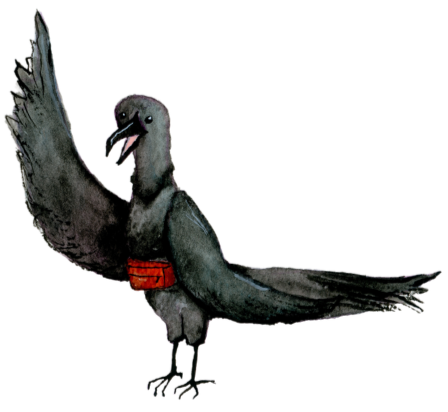
The most important thing to know about Cody and Quinn is that we believe that rhetoric is for everyone.
As authors, academics, and educators, we are committed to making rhetoric theory available and approachable for a broad public audience. Rhetoric, at its best, is a powerful tool for solving difficult problems and everybody deserves access to the resources they need to ethically apply rhetorical theory in their daily lives.
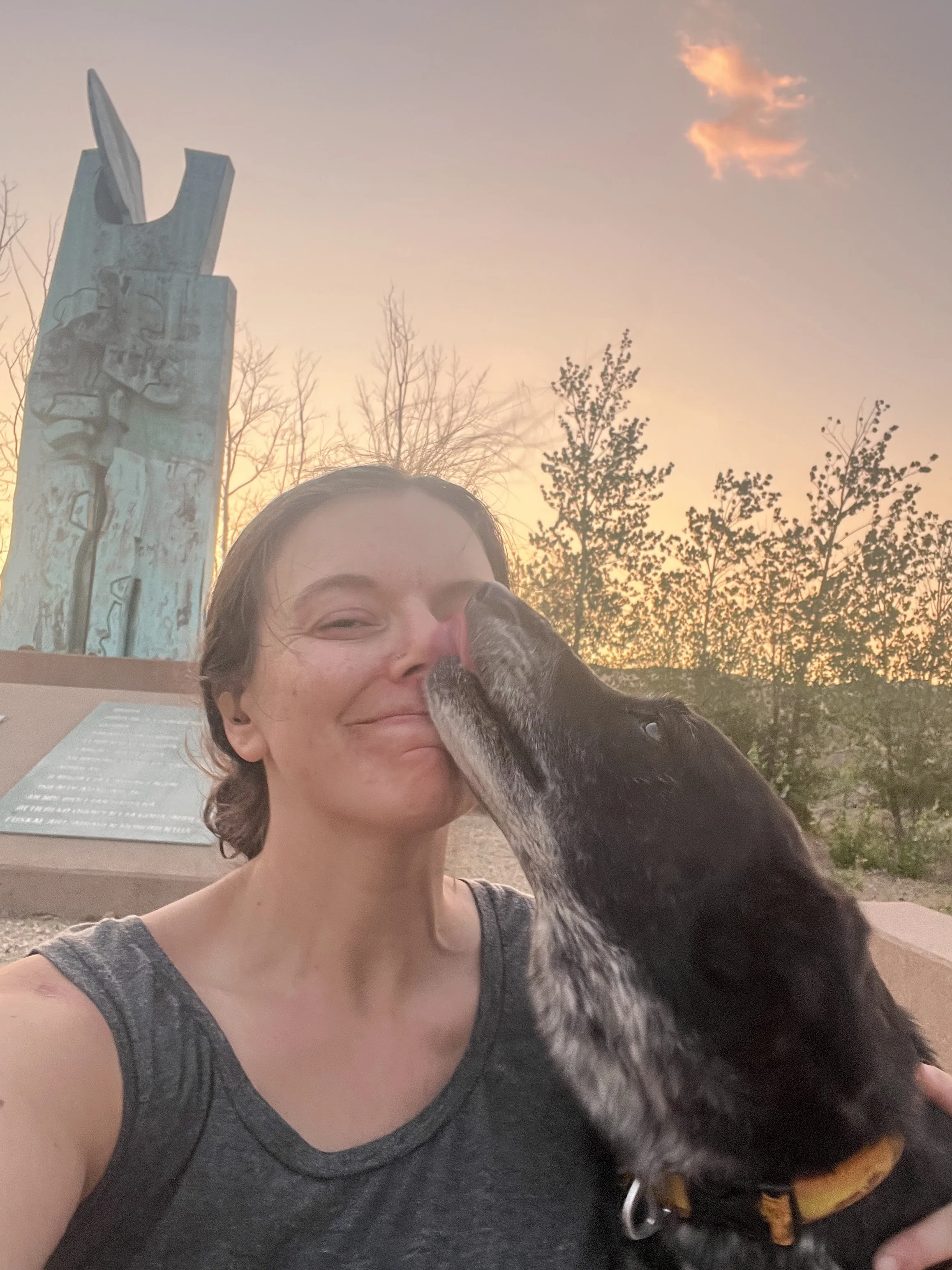
Quinn Dannies
Quinn is a Ph.D. candidate at The University of Nevada, Reno. Her research focuses on how we perform identities through the things we buy and how those purchases become linked to moral and ethical stances.
Her works include “Manual Listening: An Expansive Material Practice” and a series of zines covering practical skills like visible mending or countering conservative visual arguments. She is the co-author of the forthcoming Field Guide to Rhetorical Animals.

Cody Hunter
Cody is a Teaching Assistant Professor at the University of Nevada, Reno. She currently serves as the Vice President of the Kenneth Burke Society and as an Associate Editor for the Kenneth Burke Journal. Her research focuses on rhetorical listening and using Kenneth Burke to navigate complex rhetorical problems.
Her works include, “A Flash of Light to Blurred Vision: Theorizing Generating Principles for Nuclear Policy from The Day After Trinity to the Year 2021,” “Rhetorical Listening in Action (in the Classroom): Centering Tropes for Large Group Decision-Making on (Potentially) Polarizing Rhetorical Problems,” and she’s co-authoring the forthcoming Field Guide to Rhetorical Animals.
Get in touch with us!
For inquiries related to the forthcoming book, A Field Guide to Rhetorical Animals, please reach out directly to Parlor Press. For everything else, you can contact us using the form below.
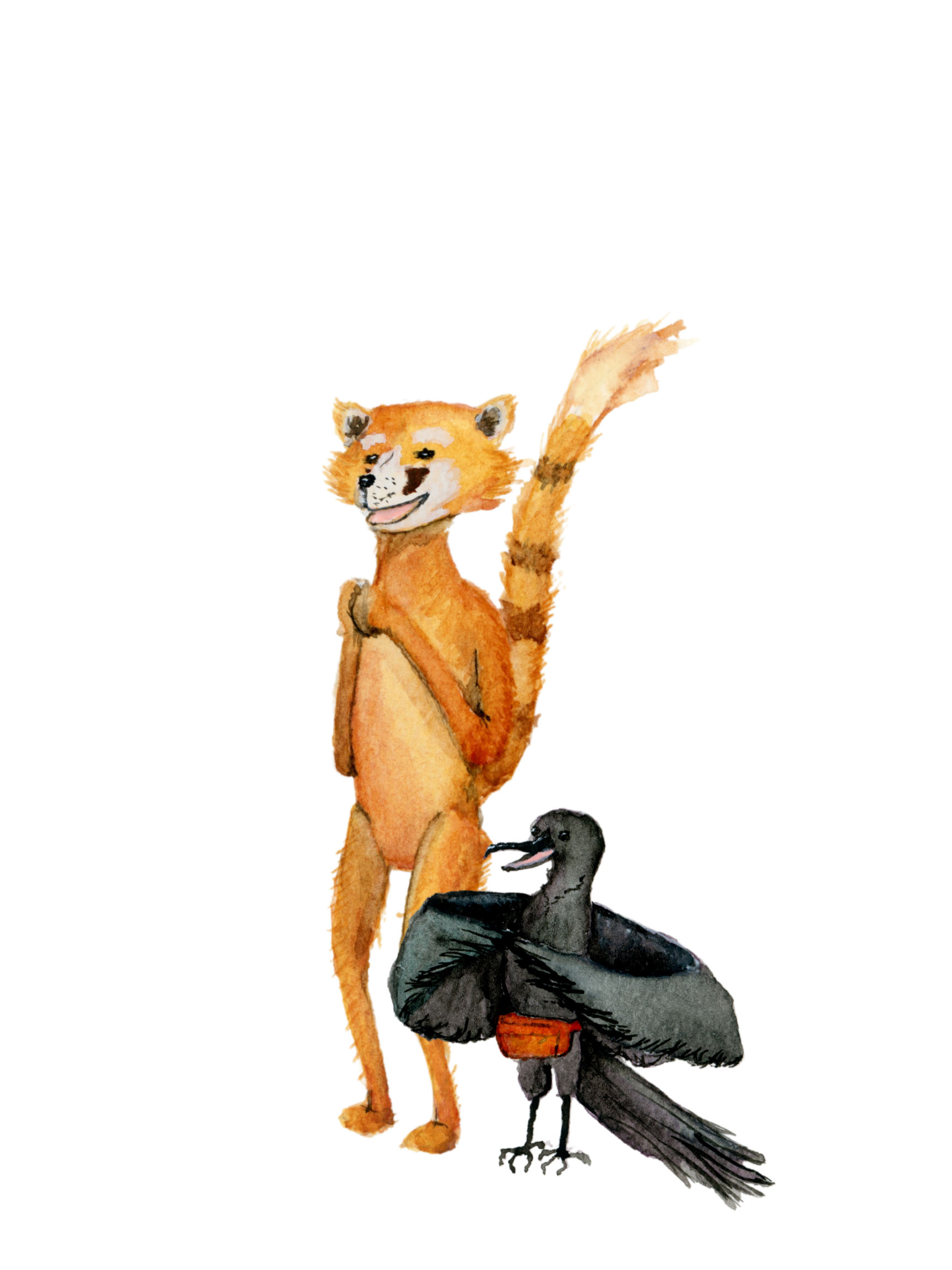
If nature gives birth to an animal that can talk, then by the same token, nature becomes able to comment on itself.